Deep Blue Sushi Ocean Exploration Guide
Navigate the depths and discover everything the ocean has to offer.
The ocean in Deep Blue Sushi is a vast, layered world full of marine life, treasures, and dangers. Understanding the ocean zones and what each contains is essential for efficient ingredient gathering. Each zone has its own ecosystem, fish species, and threats that you need to learn to dive effectively.
Ocean Zones
The ocean is divided into multiple depth zones, each with distinct characteristics:
Shallow Waters
The starting area where new players will spend most of their early game. Shallow waters contain common fish species that are easy to catch and perfect for basic sushi recipes. The water is clear, visibility is good, and dangerous creatures are rare. This is the safest zone to practice your harpoon technique and learn fish movement patterns. Common catches here include Mackerel, Sardines, and Blue Tang.
Mid-Depths
As you upgrade your diving equipment, you can access the mid-depth zones. These areas contain more valuable fish species and some dangerous creatures. The water is darker, and you will need better oxygen management to explore effectively. Piranhas lurk near coral structures, and electric fish patrol open areas. The risk is worth it: Red Snapper, Sea Bream, and Moonfish are found here.
Deep Ocean
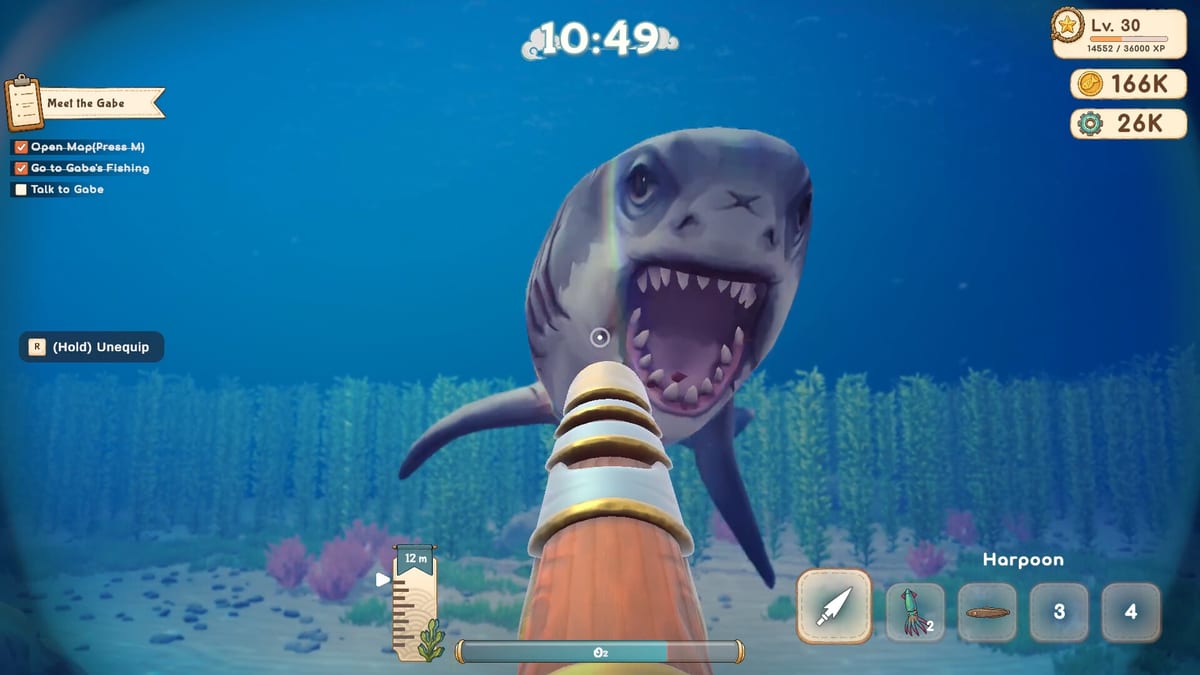
The deep ocean is where the rarest and most valuable creatures live. Sharks, electric fish, and giant squid patrol these waters. You need fully upgraded equipment to survive these depths, and diving with teammates is strongly recommended. The Deep Sea Bass and Golden Tuna spawn in these zones, making them the most lucrative diving areas in the game.
Hidden Areas
Throughout all zones, hidden caves and sunken structures contain rare fish and treasures. These areas are easy to miss if you are not exploring thoroughly. Look for unusual rock formations, dark openings in reef walls, and areas where the current seems to pull you in a specific direction.
Diving Equipment
Your diving equipment determines how deep you can go and how long you can stay underwater:
- Basic Diving Suit: Allows shallow water exploration only, with minimal protection
- Upgraded Oxygen Tank: Extends your underwater time significantly, the most important early upgrade
- Reinforced Suit: Protects against minor creature attacks, letting you survive encounters with piranhas
- Deep Dive Gear: Required for accessing the deepest ocean zones where the best fish live
- Harpoon: Used for catching fish and defending against predators; upgraded versions deal more damage
- Diving Net: Allows you to catch multiple small fish at once, increasing efficiency in shallow waters
Navigation Tips
The ocean can be disorienting, especially in deeper zones:
- Use landmarks: Note distinctive rock formations and coral structures to orient yourself
- Watch your depth gauge: Know which zone you are in at all times so you can plan your return
- Follow the light: Brighter areas generally indicate shallower water and a path back to the surface
- Mark your path: Drop markers or remember your route to avoid getting lost in complex cave systems
- Learn zone transitions: Each zone has specific visual cues that signal when you are moving deeper
Fish Spawning Patterns
Different fish appear in different zones and at different times:
- Common fish spawn in shallow waters in large numbers and respawn frequently
- Uncommon fish appear in mid-depths and near specific structures like coral reefs
- Rare fish are found only in the deepest zones or during specific conditions
- Dangerous creatures patrol their territories and can be avoided with awareness of their routes
- Seasonal fish may appear during specific in-game events or update cycles
Oxygen Management
Running out of oxygen is the most common cause of lost catches:
- Upgrade your tank early: This is the single most impactful upgrade for any player
- Plan your route: Know where you are going before you dive to avoid wasting time searching
- Set a return point: Always know the quickest path back to the surface from any location
- Dive with a buddy: In co-op, teammates can help if you run low by clearing a path to the surface
- Carry backup supplies: Some equipment slots can hold extra oxygen canisters for emergencies
Related Guides
- Getting Started for basic diving tips and early game advice
- Fish Tier List for species information and value rankings
- Dangerous Creatures for threat details and combat strategies
- Co-op Tips for team diving strategies and role coordination
Frequently Asked Questions
Quick answers to the most common questions.
How deep can I dive?
Your maximum depth depends on your diving equipment. With basic gear, you can only access shallow waters. Upgrading your suit and oxygen tank unlocks deeper zones progressively. Fully upgraded gear is required for the deepest ocean areas.
What happens if I get lost underwater?
If you get lost, try to follow any light sources or natural landmarks that indicate shallower water. Your oxygen will eventually force you to surface. In co-op, ask teammates for directions or have them guide you back.
Are there any hidden areas in the ocean?
Yes, the ocean contains hidden caves, sunken structures, and secret areas that hold rare fish and treasures. Explore thoroughly and look for unusual rock formations and dark openings in reef walls to discover them.
How do I avoid sharks?
Stay aware of your surroundings and watch for shadows or movement in the water. If you spot a shark, swim away calmly and perpendicular to its approach. Upgraded equipment gives you better defense options, and in co-op, teammates can distract threats.
Which zone has the most valuable fish?
The deep ocean zone contains the most valuable fish like Golden Tuna and Deep Sea Bass. However, you need fully upgraded diving equipment to access these areas safely. The mid-depth zones offer a good balance of value and safety for intermediate players.